


Primary biliary cholangitis
Content date: 13 November 2026
A chronic disease affecting the small bile ducts inside the liver. Early treatment and follow-up help protect the liver, even without symptoms.
Your next step
Review your treatment dose against your weight and record how itching affects sleep.
Get urgent help: Vomiting blood, black tarry stools, new confusion, sudden severe abdominal pain, or jaundice with fever or chills need urgent assessment. Do not wait for fever, jaundice and pain to occur together.
What are bile ducts, and what happens to them?
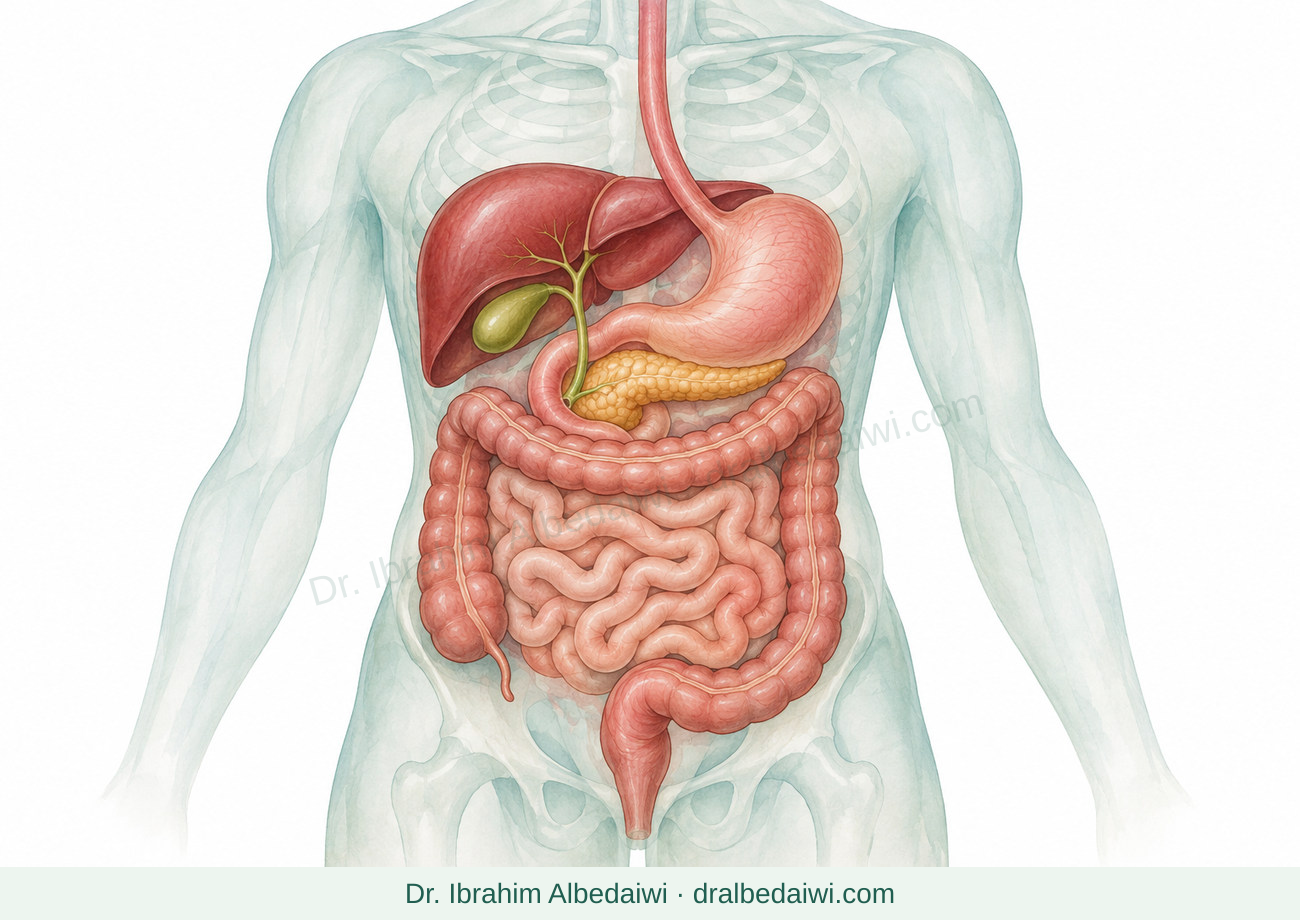
- The liver makes bile, a fluid that helps digest fat and eliminate certain substances. Bile travels through a network of small ducts inside the liver, then larger ducts, to reach the intestine. An immune reaction in this condition damages the small ducts, disrupting bile flow and potentially injuring liver tissue over time.
- “Primary” is part of the disease name, not its severity grade. It does not mean a stone or bacterial infection is present and does not spread to family members. Diagnosis also does not mean cirrhosis is already present; it can be detected early, before advanced scars form.
Why monitor tests even if itching improves?
- Itching and tiredness may be the first symptoms, sometimes with dry eyes or mouth, or the disease may be found on routine tests without symptoms. Itch or fatigue severity alone does not show how much liver damage exists. Some symptoms may continue despite improvement in the markers used to monitor the disease.
- Tests showing impaired bile flow and disease-specific antibodies, together with exclusion of duct obstruction, help establish the diagnosis. Treatment aims to improve bile flow, reduce injury and slow disease progression. Response must be monitored over time to determine whether treatment is sufficient, with separate treatment for itching, vitamin deficiencies or bone problems when present.
Symptoms and diagnosis
- It may cause itching, tiredness or a raised alkaline phosphatase level, or no symptoms.
- Diagnosis uses liver tests, antibodies and imaging, with biopsy in some cases. We may assess thyroid function, bones and problems with dryness.
Treatment and follow-up
- Ursodeoxycholic acid is a main treatment for many patients, with a dose calculated by weight. Continue it as prescribed.
- If response is inadequate or the medicine is not tolerated, newer options include seladelpar and elafibranor. A specialist selects treatment according to disease stage, other medicines, regulatory approval and local availability. They are not suitable for every situation, particularly with complications of cirrhosis. Itching sometimes needs separate treatment from the disease itself.
- We monitor liver enzymes, bilirubin, response and scarring. Improved itching alone does not establish disease control.
Managing itching and tiredness
- Use moisturizer, reduce hot-water bathing and keep nails short. Tell your doctor if itching affects sleep.
- Itch treatments differ from treatment of the underlying condition. Some bile-acid-binding medicines must be separated in time from other medicines; ask your pharmacist for a schedule.
- Tiredness has many causes, and we may investigate anemia, thyroid problems or sleep. Increasing liver medicine is not always the answer.
- Linerixibat is a newer option for moderate-to-severe itching, subject to local approval and availability. It can cause diarrhea and requires monitoring of liver tests and certain vitamins. It is avoided with current or previous decompensated cirrhosis; your specialist determines suitability.
Bones and nutrition
- Eat a balanced diet and exercise to maintain muscles and bones. Bone-density testing and vitamin D or other tests may be needed according to your situation.
- Do not take high-dose vitamins or herbs without advice. Discuss dry eyes or mouth and dental care if these problems occur.
- Your doctor determines the need for variceal and liver cancer surveillance according to disease stage and risk factors. Men with this condition may need liver cancer surveillance even without cirrhosis; monitoring should not be linked to cirrhosis alone.
After a transplant for this condition
- Ursodeoxycholic acid may be recommended after transplantation to reduce recurrence and help protect the graft. Follow your transplant team’s prescription; do not start or stop it yourself.
When to get help
Vomiting blood, black tarry stools, new confusion, sudden severe abdominal pain, or jaundice with fever or chills need urgent assessment. Do not wait for fever, jaundice and pain to occur together.
Itching that disrupts sleep, worsening jaundice, abdominal or leg swelling, or unintentional weight loss.