

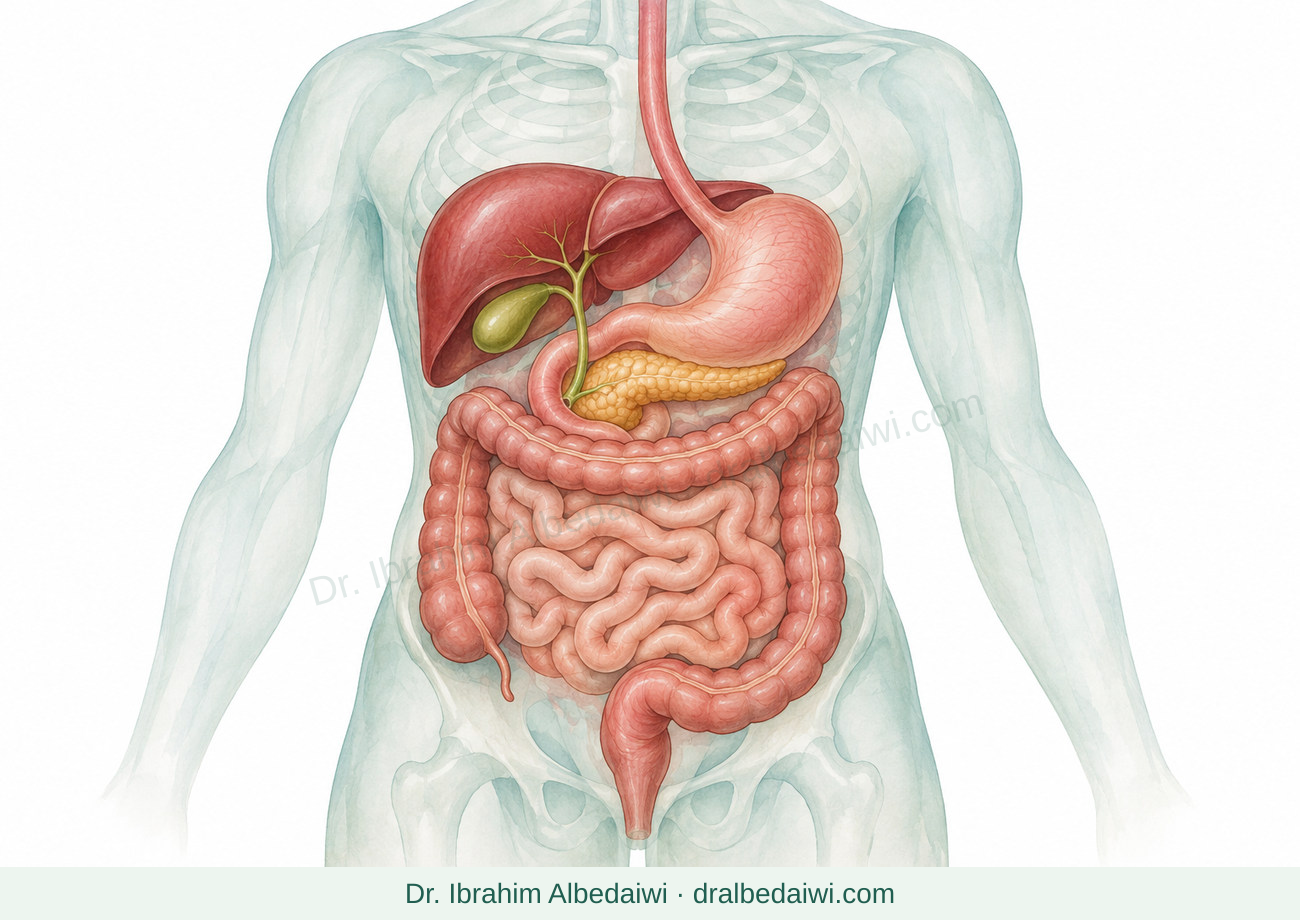

Hemorrhoids and anal fissure
Content date: 10 November 2026
Rectal bleeding or anal pain does not automatically mean hemorrhoids. The correct diagnosis helps select treatment and avoid missing another cause.
Your next step
Start a plan to keep stool soft and arrange assessment if bleeding recurs.
Get urgent help: Heavy bleeding, dizziness or fainting, or severe persistent anal pain with fever, swelling or pus.
Understanding the difference
- Hemorrhoids are vascular tissues around the anus that may enlarge and cause symptoms. Internal hemorrhoids lie inside the anal canal and may cause bright red bleeding or protrude during a bowel movement. External hemorrhoids near the skin may cause a lump or discomfort; a clot inside one can cause sudden pain.
- An anal fissure is a small tear in the lining of the anus, not an enlarged blood vessel. It often starts after hard stool but can also occur with diarrhea. It typically causes sharp pain during a bowel movement that continues afterwards, with a small amount of blood. Pain may cause the surrounding muscle to tighten, reducing blood flow to the wound and delaying healing.
Why examination matters and what treatment aims to do
- Symptoms can overlap and both conditions may occur together, but their treatments differ. Examination helps identify the cause and rule out an abscess or other problem. Bleeding should not automatically be attributed to hemorrhoids, particularly with changed bowel habits, anemia or other risk factors.
- The first aim is soft, easy-to-pass stool to reduce repeated injury and straining. A fissure may need treatment that relaxes the muscle to help healing. Persistent haemorrhoidal bleeding or prolapse may need a specific procedure. Many cases improve without surgery, but continuing pain or bleeding needs a review of the diagnosis and plan rather than simply repeating creams.
When do I need an examination?
- The doctor assesses where pain and bleeding occur and may examine the anus. Having hemorrhoids does not rule out another illness; colonoscopy may be needed depending on age, symptoms and family history.
- Report changed bowel habits, weight loss or anemia. Persistent pain with fever or swelling may be an abscess rather than simple hemorrhoids.
Treatment depends on the diagnosis
- Softening stool and reducing excessive straining are first steps for both conditions. Some hemorrhoid products give short-term relief; avoid prolonged steroid cream use without review.
- A chronic fissure may need a prescribed muscle-relaxing ointment, and sometimes botulinum toxin injections or surgery. Bleeding or prolapsing hemorrhoids may need banding or another procedure.
Everyday steps
- Increase fiber gradually and drink an amount appropriate for your health. Use a prescribed laxative for hard stool without causing diarrhea.
- Do not delay bowel movements or spend long periods on the toilet. Sitting in warm water may ease pain. Clean gently and avoid rubbing and fragranced products.
- Do not puncture or tie off a painful lump yourself. Do not keep using suppositories if they worsen pain.
If the problem continues
- Improvement takes time, and constipation may cause a fissure to recur. Maintain habits that keep stool soft after pain improves.
- See your doctor if bleeding or pain fails to improve, or a fissure recurs or does not heal. Other causes should be considered before repeating treatment.
- Before surgery, discuss possible effects on bowel control and tell the surgeon about previous anal muscle injuries or a difficult childbirth.
When to get help
Heavy bleeding, dizziness or fainting, or severe persistent anal pain with fever, swelling or pus.
Repeated bleeding, pain that does not improve, a lasting change in bowel habits or unintentional weight loss. Severe persistent or worsening anal pain needs same-day assessment even without fever or a visible swelling; an abscess may be deep. Seek urgent care if fever or general deterioration occurs.