

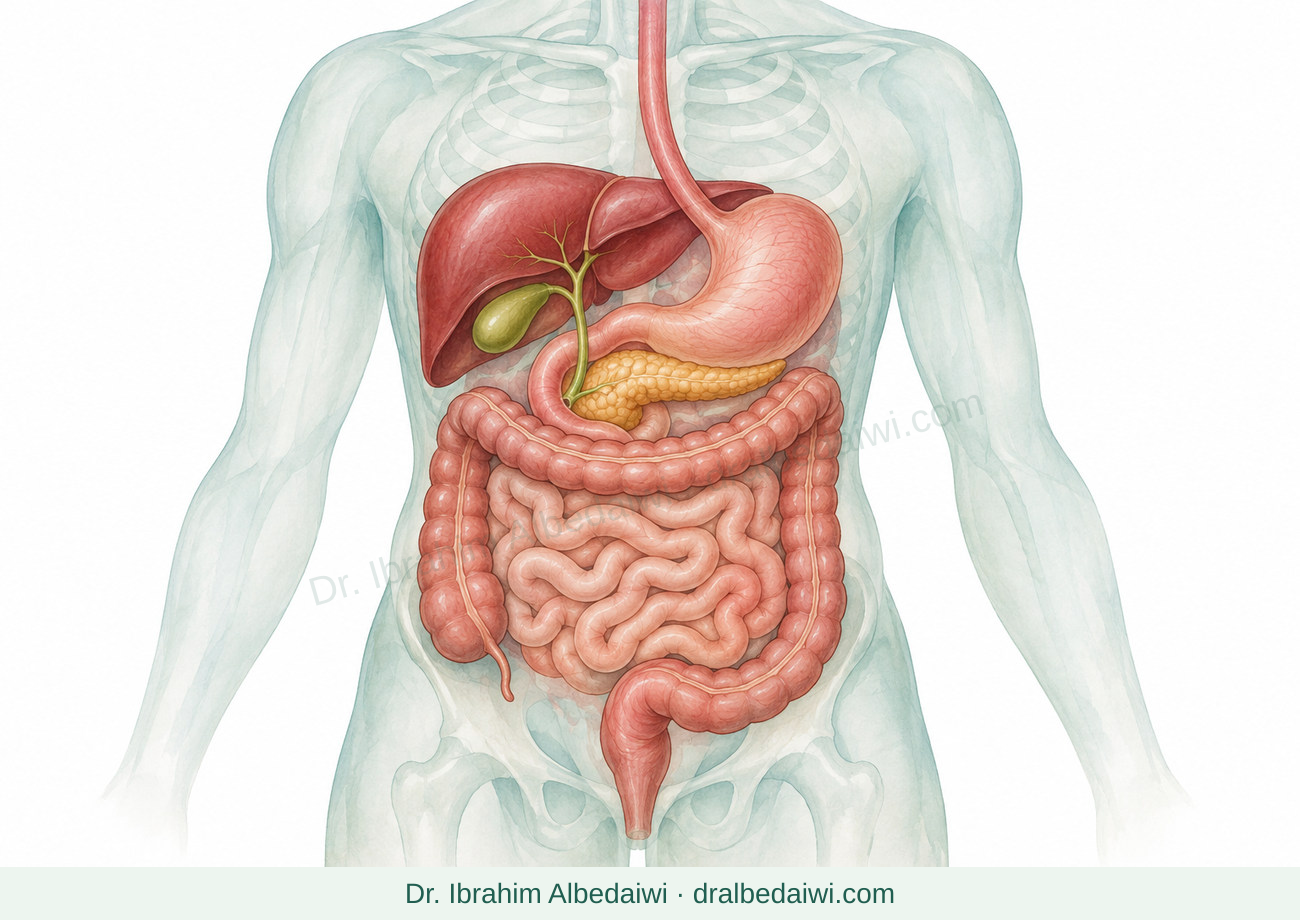

Hepatitis B
Content date: 14 November 2026
Follow-up matters even without symptoms. You may need treatment or regular monitoring; the decision depends on the virus, liver health and other factors.
Your next step
Confirm your viral test result and follow-up date, and discuss household testing and vaccination.
Get urgent help: Vomiting blood, black, tarry stools even without dizziness, confusion or unusual drowsiness, or severe jaundice with general deterioration.
What does the virus do in the body?
- Hepatitis B is an infection with a virus that lives and multiplies inside liver cells. The immune response may cause inflammation and cell injury. “Hepatitis” does not mean scarring or liver failure; these may develop in some people with ongoing injury but are not inevitable after every infection.
- Infection may be acute—recent and short-term—or chronic if it persists for six months or more. Many adults clear a new infection, while persistence is more likely when acquired in childhood. The date a test first identifies infection does not by itself show when it began.
Does having the virus mean my liver is being damaged now?
- Infection may remain for years without symptoms. Some people develop tiredness, reduced appetite, nausea or jaundice. How you feel or the color of your eyes cannot alone establish disease activity. We therefore assess viral load together with liver enzymes, scarring and risk factors; the picture may change over time.
- When treatment is needed, it aims to suppress viral replication and reduce inflammation and complications. A viral load too low to detect usually does not mean the virus has been permanently eliminated, so treatment may continue long term. Even if you do not need medicine now, regular monitoring is part of care, not neglect of the condition.
How do we assess the liver?
- We measure viral load and liver enzymes and assess scarring. People with hepatitis B should also be tested for hepatitis D at least once, with repeat testing depending on risk factors. No single result determines the whole plan.
Treatment and follow-up
- Oral medicines may be used to suppress viral replication and protect the liver. Not everyone needs the same treatment, but everyone needs a follow-up plan.
- Do not stop medicine when tests improve; stopping can cause a severe hepatitis flare. Tell the team before you run out.
- Specifically ask for your viral DNA result; a result that has not appeared is not the same as a negative result.
Who needs liver cancer surveillance?
- People with cirrhosis and some people with hepatitis B may need ultrasound and an alpha-fetoprotein blood test every 6 months, as assessed by their doctor.
- This surveillance may continue even when the virus is suppressed; keep your next appointment.
What about newer treatments?
- On 20 October 2026, the US FDA approved bepirovirsen (Hibsago), alongside existing antiviral therapy, for selected adults without cirrhosis. Selection requires suppressed virus on previous treatment and specific HBsAg results; US approval does not establish Saudi registration or availability.
- Some patients may achieve “functional cure”: sustained undetectable HBsAg and HBV DNA below the quantification limit after treatment is stopped under a specialist protocol. This does not mean everyone responds or that follow-up automatically ends.
- The new treatment can cause severe liver inflammation or dangerously low platelets and requires close monitoring. Continue accompanying oral antiviral therapy according to the plan; do not stop it when injections end or tests improve.
Protecting your family without isolation
- Transmission occurs through blood, sexual contact and from mother to baby. It does not spread through handshakes, hugs or ordinary food sharing.
- Arrange testing for your spouse and household members and discuss vaccination for those not immune. Do not share razors, toothbrushes or items that may be contaminated with blood, and cover wounds.
- Do not donate blood. Use protection during sex until you have discussed your partner’s immunity with the doctor.
Pregnancy and other medicines
- Tell your obstetrician early. Viral load is measured, and treatment during pregnancy may be needed to reduce transmission. A baby born to an infected mother needs hepatitis B vaccine and hepatitis B immunoglobulin within 12 hours of birth, followed by completion of vaccination and response testing at the specified time. Arrange the plan with the maternity team beforehand.
- Tell any doctor you have hepatitis B before steroids, biologics or chemotherapy, as preventive treatment may be needed against viral reactivation.
- Avoid alcohol and herbal mixtures, and review kidney, bone and other medicines as appropriate to your treatment.
After a possible blood or sexual exposure
- After a needlestick, blood contacting the eyes, mouth or broken skin, or possible sexual exposure, seek assessment the same day, preferably within 24 hours. Do not wait for symptoms: hepatitis B vaccine and immune globulin may be needed, depending on vaccination history and the exposure source.
- Bring your vaccination record and exposure time, and complete tests and doses as directed.
When to get help
Vomiting blood, black, tarry stools even without dizziness, confusion or unusual drowsiness, or severe jaundice with general deterioration.
New jaundice, abdominal or leg swelling, or interrupted treatment; contact the team promptly if medicine runs out or stops.
Guides for your care journey
Read the related guides together:
Related guides
Understanding hepatitis B blood tests
Pregnancy and breastfeeding with bowel and liver disease
Tenofovir disoproxil (TDF) for hepatitis B