

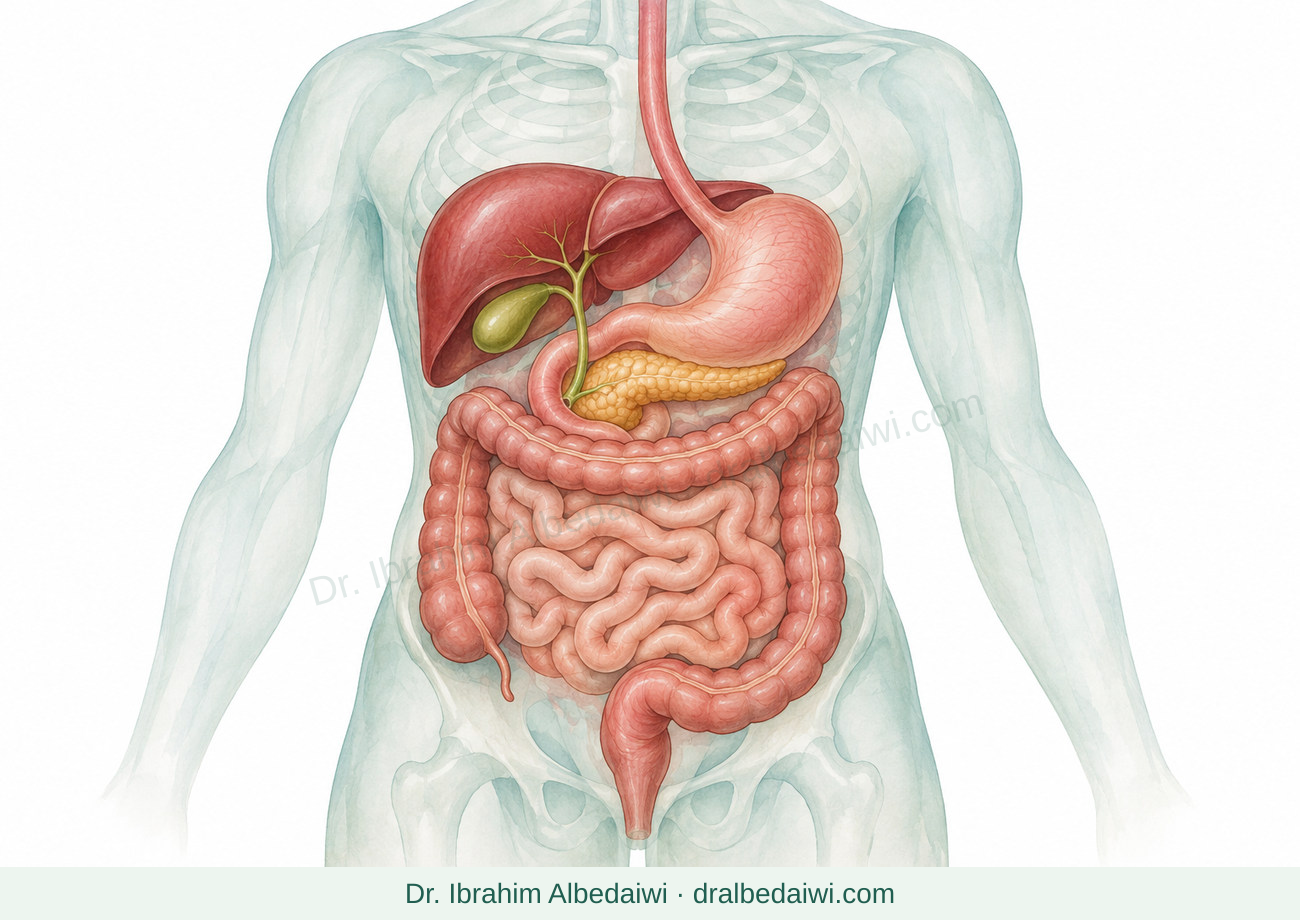

Raised liver enzymes: what do they mean?
Content date: 15 November 2026
Raised enzymes are a finding that needs interpretation, not a diagnosis by itself. The degree of elevation alone does not measure liver function or the amount of scarring.
Your next step
Collect previous results and a list of everything you take, and agree with the team on when results will be reviewed.
Get urgent help: Jaundice with confusion or unusual drowsiness, bleeding, severe pain with fever, or rapid deterioration. If a paracetamol (acetaminophen) overdose is possible, go to emergency care even without symptoms.
Understanding the condition
- ALT and AST may rise when cells are injured, while ALP and GGT help assess a pattern related to the bile ducts. Some markers may also come from other organs, such as muscles or bones.
- Albumin, INR and bilirubin provide different information from enzymes and are interpreted as part of the whole picture. Liver disease can be present with normal enzymes, and an enzyme can rise temporarily without chronic disease.
What are the possible causes?
- Causes include fatty liver, viruses, effects of certain medicines and supplements, autoimmune conditions and bile duct disease. Depending on age and results, we may also investigate iron disorders and other causes.
How does evaluation begin?
- We review previous results and their trend, symptoms, medicines and supplements, and when they were started. Depending on the pattern, we may repeat tests and request viral, iron and autoimmune tests and an ultrasound.
- If the cause remains unclear or scarring needs assessment, FibroScan, further imaging or a biopsy may be requested. Not every elevation needs a biopsy.
What should I do now?
- Bring the full report with units and reference ranges, plus photos of medicine, herbal and sports-supplement packaging. Mention every new medicine, including nonprescription products.
- Do not start “liver cleanse” mixtures or automatically stop prescribed treatment. Your doctor decides what needs stopping or changing and how urgently tests are needed.
Why follow up if I feel well?
- Some liver conditions cause few symptoms. Our aim is to find and treat the cause and assess scarring, not merely lower a test number. Agree on a date for repeat tests and review of the results.
What does each liver blood test tell me?
| Test | Main information | What it cannot establish alone |
|---|---|---|
| ALT / AST | Can signal cell injury or inflammation. | They do not alone measure liver function or scarring; AST can also rise from muscle injury. |
| ALP / GGT | Help interpret a liver or bile-duct pattern. | ALP can rise from bone. GGT alone does not identify the cause. |
| Bilirubin | Reflects handling and clearance of pigment from blood-cell breakdown. | Liver disease, bile-duct blockage or other causes such as Gilbert syndrome may raise it; it is not a diagnosis. |
| Albumin | A protein made by the liver; helps assess protein production. | Inflammation, poor nutrition or protein loss through kidneys or bowel can also lower it. |
| PT / INR | Helps assess clotting-factor production in clinical context. | Warfarin or vitamin K deficiency can affect it. In cirrhosis, it does not measure bleeding risk by itself. |
Bring the full report, units, laboratory ranges and earlier results. Interpret tests alongside symptoms, medicines and other investigations, rather than diagnosing yourself from one number.
© 2026 Dr. Ibrahim Albedaiwi · dralbedaiwi.com
When to get help
Jaundice with confusion or unusual drowsiness, bleeding, severe pain with fever, or rapid deterioration. If a paracetamol (acetaminophen) overdose is possible, go to emergency care even without symptoms.
New jaundice, dark urine, significant itching or a result the laboratory describes as critical: contact the team promptly rather than waiting for a routine appointment.
Related guides
Fatty liver and steatohepatitis
Herbs, mixtures and supplements: benefits and risks