

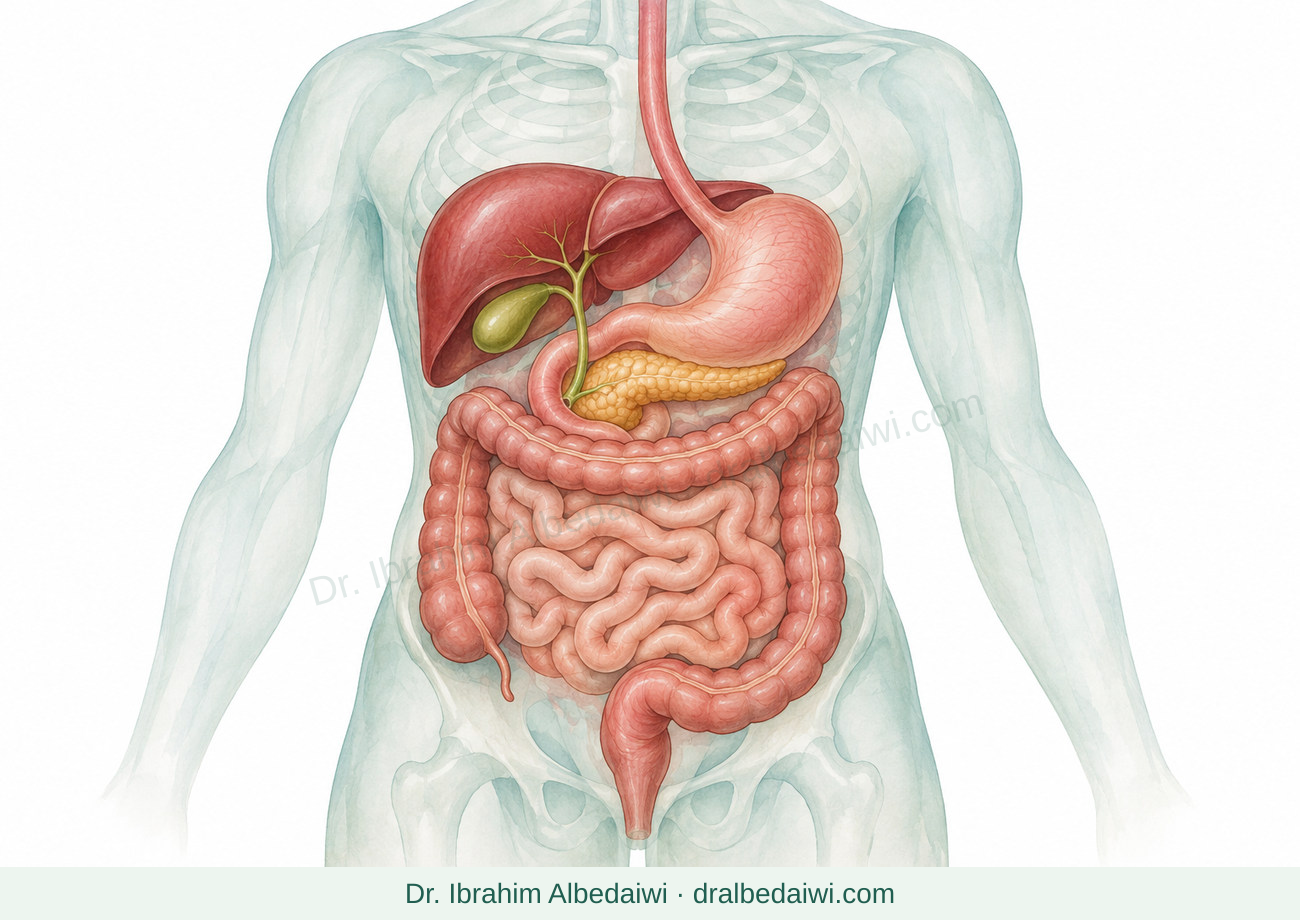

C. difficile infection
Content date: 10 November 2026
This infection can cause diarrhea and inflammation of the colon, especially after antibiotics. Early assessment matters; a positive test alone does not always mean infection needing treatment.
Your next step
Record stool frequency and antibiotic names and dates; use soap and water and arrange medical follow-up.
Get urgent help: Severe abdominal pain or swelling, fever with marked illness, fainting, very little urine or inability to drink: seek urgent care even if diarrhea has decreased.
What is this infection?
- Clostridioides difficile, or C. diff, can produce toxins that damage the colon lining. It may grow after antibiotics disturb normal gut bacteria. Hospital stays and weakened immunity increase risk, but infection also occurs outside hospitals.
- People can carry the bacteria without symptoms, which differs from infection with compatible diarrhea and illness. Typical symptoms include repeated watery stool and cramps, sometimes fever or nausea. Not all diarrhea following antibiotics is caused by C. diff.
When is stool testing appropriate?
- Report new repeated diarrhea, particularly during or after antibiotics. Testing is often considered with at least three unformed stools in a day without a clear explanation such as laxatives; the team decides whether testing is appropriate.
- Results are interpreted with symptoms and test type. Testing is not usually done in well people without symptoms or to prove cure after diarrhea resolves: results may stay positive after recovery. Report laxatives and other medicines before sampling.
How is it treated?
- Your doctor prescribes an antibiotic specifically for this infection, such as fidaxomicin or oral vancomycin, considering severity, recurrence and availability. The need for preceding antibiotics is also reviewed. Do not stop prescribed medicines or start antibiotics yourself.
- Fluids and monitoring of kidney function and salts may be needed, sometimes in hospital. Do not take antidiarrheals such as loperamide without medical approval. Recurrence may need specialist treatments; never attempt fecal transfer treatments at home.
Protecting your household
- Wash hands with soap and water after using the toilet and before eating, including carers. Do not rely on alcohol hand gel alone to remove these spores. Use a separate bathroom during diarrhea if possible; otherwise clean frequently touched surfaces before others use it.
- Clean soiled laundry, towels and surfaces according to product instructions, using a suitable spore-killing disinfectant when needed. Never mix cleaning products. Wash hands after handling laundry even when gloves were worn.
After treatment
- Complete treatment as prescribed and watch for returning diarrhea. Contact your doctor if it recurs rather than automatically restarting an old medicine; recurrence or a different cause may need assessment.
- Tell doctors and dentists about this infection when future antibiotics are considered. Avoid unnecessary antibiotics and do not start probiotics or preventive supplements yourself, particularly with weakened immunity.
When to get help
Severe abdominal pain or swelling, fever with marked illness, fainting, very little urine or inability to drink: seek urgent care even if diarrhea has decreased.
New diarrhea during or after antibiotics, or diarrhea returning after treatment: contact the team promptly, particularly with weakened immunity.