

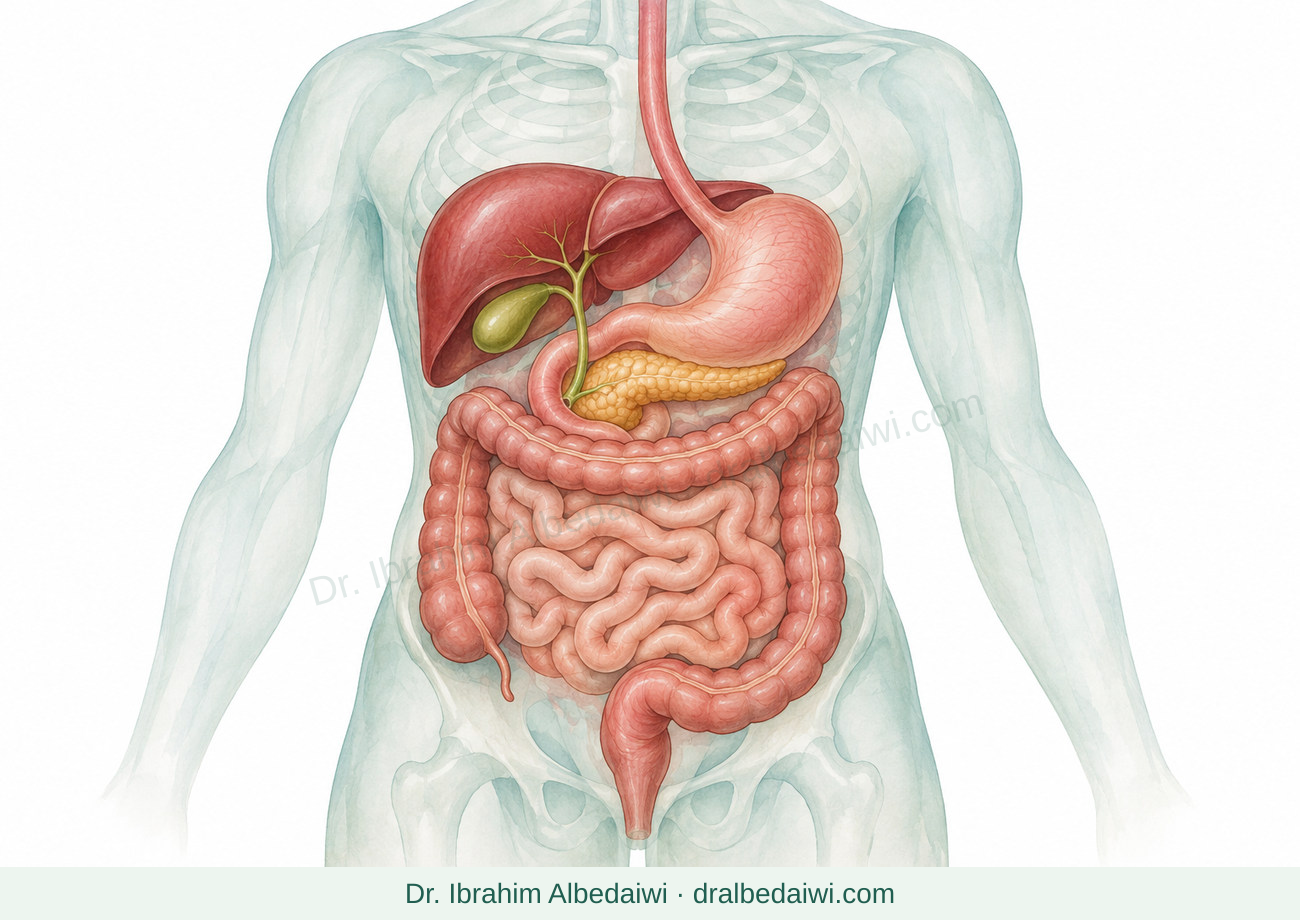

Alcohol-related liver disease
Content date: 10 November 2026
Alcohol can cause liver fat, inflammation and scarring. Early treatment and stopping alcohol with appropriate support improve recovery and reduce complications. A diagnosis does not mean it is too late for treatment.
Your next step
Prepare your medicine list, drinking pattern and last-drink time, and request a clear safe-cessation and follow-up plan.
Get urgent help: Seizures, hallucinations, severe confusion, difficulty waking, vomiting blood, black stools, breathlessness or rapidly worsening jaundice with marked illness: seek emergency care immediately; do not wait for a message reply.
What is it? Does every fatty liver mean alcohol use?
- Alcohol-related liver injury may start without symptoms. It includes fat buildup, hepatitis and scarring: fibrosis at F1–F3 and cirrhosis at F4. Not everyone passes through these stages in the same order.
- Fatty liver does not automatically imply alcohol use: diabetes or excess weight can contribute. Causes may coexist, and alcohol can worsen other liver diseases. Assessment considers the whole picture without assumptions or blame.
Assessing liver health
- Explain the amount, frequency, last drink and any symptoms when stopping. You can ask to speak privately. This information guides safe care, not judgment. Bring your medicine, supplement and previous test records.
- Tests may include liver enzymes, bilirubin, clotting, platelets, kidney function, imaging and liver stiffness. Active inflammation can temporarily raise stiffness; enzymes alone do not establish the stage. Other causes, including viral hepatitis, may need testing. Not everyone needs a biopsy.
Stopping safely: when is supervision needed?
- Complete abstinence is the goal with alcohol-related liver disease. If you drink heavily every day, or previously developed shaking, sweating, palpitations or seizures when stopping, seek urgent assessment for supervised cessation. Unmonitored withdrawal can be dangerous.
- If withdrawal symptoms begin after reducing or stopping alcohol, seek medical care immediately. Seizures, hallucinations or severe confusion need emergency care. Do not devise your own taper or use sedatives or someone else’s medicines. The team selects appropriate treatment and monitoring.
Help to sustain recovery
- Difficulty controlling alcohol use is a treatable health problem, not a character flaw. Care may combine liver, addiction and psychological services, involving someone you trust if you wish.
- Behavioral treatments and medicines help some people manage cravings and prevent returning to alcohol. The specialist considers liver and kidney function and other medicines. If drinking resumes, tell the team early so support can change; do not miss follow-up because of embarrassment.
Nutrition, medicines and follow-up
- Eat regularly with adequate calories and protein; malnutrition can occur even with excess weight. Dietitian support and replacement of thiamine (vitamin B1) or other deficiencies may be needed. Avoid prolonged fasting, “liver cleanses” and self-prescribed high-dose vitamins.
- Fat, inflammation and fibrosis may improve when the cause is treated, but F4 cirrhosis does not necessarily return to normal. Continue complication monitoring and liver cancer surveillance when advised, even after symptoms or tests improve.
Severe hepatitis and transplantation
- New or rapidly worsening jaundice, especially with poor intake, fever or marked illness, may indicate severe hepatitis and needs urgent assessment, sometimes in hospital. Steroids are not suitable for everyone; the team assesses severity, infection, contraindications and treatment response.
- Transplantation may help selected patients with liver failure or advanced cirrhosis. Referral is not automatic acceptance. The center evaluates medical needs, treatment readiness and psychosocial support under its criteria. Do not delay assessment because of an abstinence period you have heard about.
When to get help
Seizures, hallucinations, severe confusion, difficulty waking, vomiting blood, black stools, breathlessness or rapidly worsening jaundice with marked illness: seek emergency care immediately; do not wait for a message reply.
New jaundice, increasing abdominal swelling, poor intake or a need for supervised cessation: seek same-day assessment. Withdrawal symptoms after reducing or stopping require immediate care.
Related guides
Fatty liver and steatohepatitis
Liver transplantation: when is evaluation needed?