


Bile duct cancer: cholangiocarcinoma
Content date: 15 November 2026
This cancer arises in bile ducts and differs from hepatocellular cancer. Bile duct obstruction also has many benign causes.
Your next step
Keep scans, pathology and stent plans, and ask about multidisciplinary review.
Get urgent help: Fever or chills, especially with a biliary stent, or worsening jaundice with pain need urgent assessment for possible bile duct infection. Confusion, fainting or rapid deterioration require emergency care; do not wait for all symptoms to occur together.
Location matters
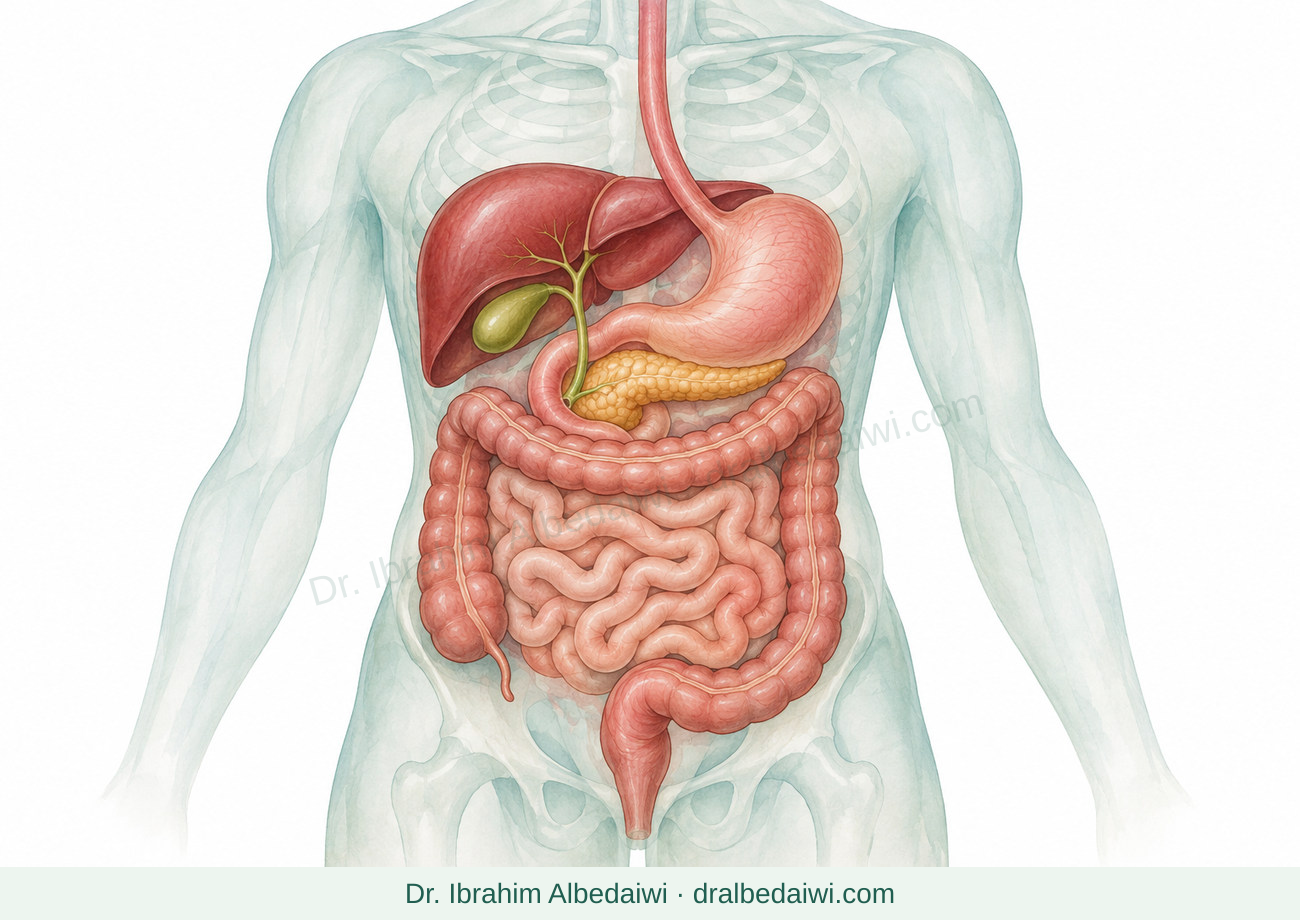
- The tumor may arise inside the liver, at the liver hilum or in the lower duct near the bowel. Not every liver mass is hepatocellular cancer, and jaundice may instead result from a stone or benign narrowing.
Symptoms and diagnosis
- Jaundice, itching, dark urine, pale stools, pain or weight loss may occur. Intrahepatic tumors may not cause early jaundice. Assessment can involve blood tests, ultrasound and CT or MRCP as needed.
- ERCP or EUS may obtain samples or relieve blockage. The team selects a biopsy route compatible with possible surgery or specialized transplant pathways. CA 19-9 cannot confirm or exclude cancer alone and can rise with benign obstruction or infection.
Treatment options
- A specialist team assesses whether complete removal is possible. Surgery may involve liver, ducts or an operation near the pancreas, depending on location. Drug treatment may follow surgery.
- When removal is not possible, chemotherapy with immunotherapy or other options may be appropriate. Ask about tumor molecular testing, which can identify targeted options for some patients. Transplantation is not a general treatment; selected cases may be considered in specialized programmes.
Drainage and follow-up
- A stent or drainage tube may relieve obstruction and itching but does not remove the tumor. Not everyone needs drainage before surgery. Keep the stent type, removal/exchange plan and responsible service recorded.
- Pain control, nutrition and psychological support are part of care. Outlook depends on stage, location, resectability and response; discuss treatment and follow-up goals individually.
When to get help
Fever or chills, especially with a biliary stent, or worsening jaundice with pain need urgent assessment for possible bile duct infection. Confusion, fainting or rapid deterioration require emergency care; do not wait for all symptoms to occur together.
New or worsening jaundice, severe itching, weight loss or no stent follow-up appointment.
Related guides
Bile duct stones and obstructive jaundice
Bile and pancreatic duct endoscopy (ERCP)
Primary sclerosing cholangitis (PSC)